

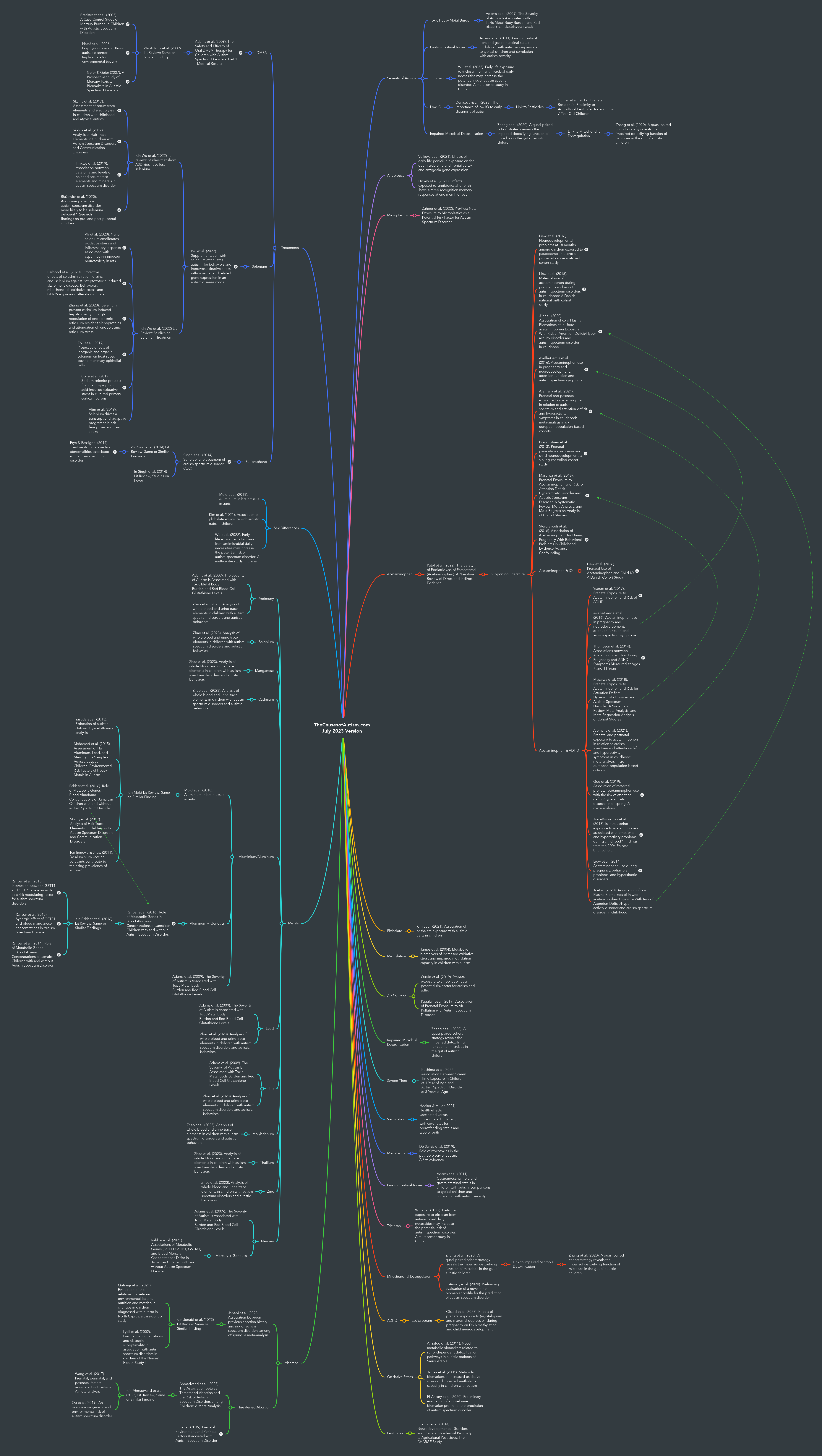
This section of the library shall be dedicated to commentaries on the Hubermanlab podcast. Included below is not a summary of the episode (I’ll leave that for you to check out), but rather my comments on the episode in terms of psychology, health, and human behavior. Whenever possible, I draw connections to autism as well. Most of my comments originally appear on Twitter/X, so be sure to follow on there.
Dr. Karen Parker: The Causes & Treatments for Autism
Dr. Huberman’s Question:
Is the frequency of autism indeed increasing, or is the field of medicine getting better at detecting what was always there?
Dr. Parker’s Answer:
It’s a multifactorial answer. We’re getting better at detecting autism. In the past we were diagnosing kids at 9 or 10 years of age; and now clinicians are able to reliably diagnose kids at 2 or 3 years of age. Pediatricians have autism screeners now; so when you bring in your baby and you bring them in during the first few years of life you’re filling out screeners looking for autism symptoms. There’s just a lot more awareness around autism.
[from there, the conversation continues to the incidence of autism being 1 in 36, and diagnosing autism based on behavioral criteria.]
Autism Librarian’s Answer:
I’m so glad you asked that Andrew.
I would answer your question with another question: are the two views mutually exclusive? It would certainly make the most sense to ascertain that we are both becoming better at diagnosing autism, and that the frequency of autism is also increasing. Is any research even addressing the directionality of that relationship? Not to my knowledge. I do wonder the extent to which we are becoming better at diagnosing autism because of the increase in incidence of autism. That would be an interesting question for research.
The general “scientific consensus” is that we are getting better at diagnosing autism, but this notion has been crumbling apart for a while now.

A study published back in 2002 by the California Department of Developmental services contracted the MIND Institute at UC Davis to examine incidence rates of autism. One of the study’s findings was that that the loosening of criteria for diagnosis could not explain the increase in autism cases –this was back in the DSM-4 days. [1] This finding was pretty huge, because it continues to be substantiated by additional research.
Another big study published in 2009, now including DSM-5 criteria, used data from the California Department of Developmental services and found that changing the age at diagnosis only explained 12% of the increase in autism incidence rates, changes in diagnostic criteria could account for 120%, and including milder cases could account for a 56% increase in autism incidence [2] -but the kicker is that over the 16 year period the study was analyzing (1990-2006), autism incidence rates rose at least 700 percent! They could only account for 188 percent! So the researchers didn’t even get close to accounting for the increase in autism rates.
The CDC has its own Autism Developmental Disabilities Monitoring (ADDM) network. It’s interesting to note that in their 2020 publication of data from the year 2016 cohort of 8 year olds, they found children whose records also were reviewed using ADDM Network DSM-4-TR ASD criteria, the DSM-4-TR criteria classified 2% more ASD cases than DSM-5 criteria [3]. Their 2018 publication for the 2014 cohort of 8 year olds examined differences in diagnostic criteria for DSM-4-TR and DSM-5, and found that only 3 out of their 11 ADDM sites had higher case counts using the DSM-5 criteria [4]. Doesn’t this tell us that change in diagnostic criteria amounts to negligible differences in autism diagnoses? They’re basically getting similar results when comparing DSM-4-TR criteria and DSM-5 …and yet here we are in 2023, dealing with a 1 in 36 incidence of autism based on data from 2020, believing that we’re getting better at diagnosing autism because of changes in diagnostic criteria and changes in the age of diagnosis.
What’s interesting is that the studies published by the CDC this year in 2023, comparisons between DSM-4-TR and DSM5 diagnostic criteria were not included at all. My guess is that they may have decided not to include them because they weren’t seeing differences internally in previous years –but this is very important information as well if the public is being told that professionals are simply better at diagnosing autism because of changes in criteria for autism. So have they basically admitted that there are no differences? It would appear so…
This year in 2023, the CDC indicated that for the first time since they began doing these studies they found autism prevalence was higher among Black, Hispanic and Asian/Pacific Islander children than among White and biracial children, and that this could be explained by improved screening, awareness, and access to services among historically underserved groups…at least that’s what the CDC researchers say. However, we still have these major California studies that have large racially diverse populations weighing over us and challenging these notions…
So, to answer your question in a simple phrase: the rates of autism are indeed increasing, and improved screening, awareness, or changes in diagnostic criteria account for a fraction of the percentage of incidence increase.
And this is contrary to what many are arguing Andrew, and I acknowledge that. But I think when we get into the discussion about environmental factors connected to autism, it makes one view autism incidence under a better context –and that is the key to understanding autism, the big picture. The CDC claims that better awareness and access to healthcare is contributing to rising autism –but, just for starters, they don’t even acknowledge pesticides as a contributing factor for autism on their site. On their main autism page under the title ‘Risk Factors,’ they only list having a sibling with ASD, having certain genetic or chromosomal conditions, experiencing complications at birth, and being born to older parents as risk factors for autism. When we discuss environmental factors, you’ll wonder why they don’t acknowledge more of them.
Dr. Huberman’s Question:
Genes and the environment interact; it’s never nature or nurture, they always interact… What is the role of the environment in autism, both the frequency and the presentation of autism?
Dr. Parker’s Answer:
There are lots of epidemiological studies. So advanced parental age, prematurity, maternal illness during pregnancy…so there’s a bunch of different things that have been associated with an increased risk for autism.
[from here, the conversation turns to the topic of neuronal migration without further discussion of environmental factors associated with autism]
Autism Librarian’s Answer:
That’s a wonderful question Andrew, and by far will be my favorite one to answer. To this day, we actually have quite a number of risk factors associated with autism.
Let me focus on pesticides first because they have such importance today and is one of the major factors we need to keep an eye on. The CHARGE study by UC Davis was one of the major studies on pesticides. Not only did they find an association between prenatal pesticide exposure and risk of autism in the offspring, but they also found an association between residential proximity to pesticides and autism –meaning, the closer the pregnant mother lived to the pesticide use, the greater the risk of autism [5].
This was a highly important finding, because a previous study in 2007 had found associations between autism and residential proximity to organochlorine compound applications, and also identified associations between gestational exposures to organophosphates and bifenthrin, a pyrethroid pesticide [6]. Previously, researchers had already discovered a relationship between symptoms of pervasive developmental disorder (PDD) and prenatal urinary metabolites of organophosphates, and 10-fold increase in these metabolites doubled the odds of PDD at 2 years of age [7]. Studies on developmental delays (DD) revealed associations between pesticide exposures and cognitive test scores. Prenatal exposure to pesticides through maternal occupation in the floriculture industry was linked to poorer performance on the Stanford-Binet copying test [8]. In the CHAMACOS study, another huge study in California, organophosphate urinary metabolites during pregnancy were associated with an average deficit of 7.0 IQ points [9].
So there’s a lot of research on this beyond what I’m even able to touch in a short amount of time.
An excellent literature review was published this year in October on the topic of pesticides and the microbiome [10], and a Brazilian journal also published a systematic review this year on prenatal exposure to pesticides [11].
Coming back to that UC Davis study, I would’ve loved if the authors conducted tests to determine a relationship between residential proximity to pesticides and severity of autism symptoms, which the authors did not conduct. However, I do wonder if the results are interpretable in that direction anyway, given that proximity itself was associated with greater likelihood of autism diagnosis. Nevertheless, these results are interesting in light of a study published this year in 2023 that found that low IQ in infants was associated with autism symptom severity [12], and although obviously we cannot assume pesticides are always the culprit, it certainly continues to shed light on the matter.
Now, this next bit of information is quite scary.
The nonprofit organization Mom’s Across America conducted a test on school lunches. Yes, school lunches, lunches that millions of children eat and are a part of a national school lunch program in the United States. They sent 43 school lunch samples to a laboratory and had them tested for glyphosates, pesticides, mineral deficiencies, heavy metals, and veterinary drugs and hormones. The testing was conducted at Health Research Institute Laboratories in Fairfield, Iowa.
I’m going to let you assume the worst regarding the presence of glyphosate, mineral deficiencies, heavy metals, and veterinary drugs and hormones in the school lunches. Incidentally, toxic heavy metal burden has been found to be associated with severity of autism symptoms by the way [13, 14], and glyphosate and mineral deficiencies have also been associated with autism [15], with the rise of glyphosate use argued to parallel to the rise of autism incidence [16].
But let me focus on pesticides for a second. So they tested 43 school lunches for over 220 pesticides, and found that 29 different pesticides were present in almost three fourths of the school lunches. Their full report on pesticides is available online [17].
Let’s take a moment to process that…because of the implications to lunch programs.
Ok.
So now that we’re terrified of pesticides, let’s briefly touch upon other risk factors associated with autism, many of which are now getting systematic reviews and meta-analyses. We have two meta analyses for previous history of abortion/threatened abortion [18, 19], two meta analyses for prenatal exposure to acetaminophen [20, 21] (there’s Tylenol lawsuits underway, actually) with many studies also finding a connection to ADHD, and a new meta analysis and systematic review on air pollution concluding a higher risk associated with third trimester exposure and early infant exposure [22]. Additionally, there’s the publication of a nation-wide population-based cohort study published this year on prenatal and early life antibiotic exposure [23], and other factors linked to autism in at least one study include screen time [24], mycotoxins [25], phthalates [26], the seizure medication Valproic Acid which is now contraindicated during pregnancy (they actually use valproic acid to induce autism-like traits in mice now to study autism in animal models) [27], and of course, vaccines –but we’ll touch on that later.
There is also research that has found not only a relationship between a risk factor and autism, but with the severity of autism symptoms, such as toxic heavy metals [28], gastrointestinal issues [29], prenatal exposure to the cleaning agent triclosan [30], low IQ (pesticide exposure being linked to low IQ) [12], and finally, impaired microbial detoxification [31]. This last study is interesting, because they found that impaired microbial detoxification was also highly associated with mitochondrial dysfunction –which gets into the literature regarding autism pathogenesis.
Overall, Dr. Huberman, we have quite the number of factors associated with autism and as a society, we have a tremendous cause for concern. The study on phthalates was particularly interesting, because they also examined susceptible time windows to the negative effects of phthalates and found that exposure during pregnancy was associated with autistic traits in early childhood, while exposure during early childhood was also associated with autistic traits later on in childhood, around 8 years of age. This is very concerning, and it’s related to something that’s been bothering me. We found these susceptibility time windows for phthalates…but we have no idea if we could be in a similar situation right now for the cumulative effects of all of these environmental factors.
We have a lot to be worried about, not just for our children, but as adults if we want to live lives in our fullest cognitive capacity. Even though you or I as adults may not meet criteria for autism, how do we know one of these environmental factors hasn’t affected us already and we may have shown a slight cognitive or behavioral change?
Dr. Huberman’s Question:
There was a theory running about that vaccines could cause autism. My understanding is that it was debunked. That idea still lives on the Internet. What was the evidence for that idea, and what caused the demise of the scientific support for that idea? Leaving open that new data may come…
Dr. Parker’s Answer:
There was a guy named Andrew Wakefield who said preservatives in vaccines could cause autism. The study was debunked. He lost his medical license; I think he faked the data. There have been multiple studies that haven’t shown a correlation between vaccines and autism. I do believe the preservatives have been changed in vaccines.
Autism Librarian’s Answer:
This is quite a rabbit hole to go into, so I want to break it down into some basic facts.
- The CDC has been unable to provide studies to the Nonprofit organization Informed Action Consent Network (ICAN) to scientifically support its claim that vaccines given during the first 6 months of life do not cause autism. [32]
- The CDC, under the pressure of a FOIA request by ICAN, provided 16 studies and 4 reviews to support its claim that vaccines do not cause autism –however, none of the studies address vaccines given in the first 6 months of life as part of the CDC vaccine schedule, which was the specific inquiry by ICAN.
- Human Health Services department is currently being sued by ICAN for claiming ‘vaccines do not cause autism’ due to being in violation of the National Childhood Vaccine Injury Act of 1986. [33]
- Vaccine Maker Paul Offit M.D. was recorded coaching others that they cannot indicate the MMR vaccine does not cause autism. [34]
- Under deposition, world-leading vaccinologist Dr. Kathyrn Edwards admits vaccine clinical trials are not designed to rule out that the vaccine causes autism. Additionally, she indicates she does not have evidence to indicate the vaccines do or don’t cause autism, which is inconsistent with what the CDC currently claims –that vaccines do not cause autism. [35]
- Under deposition, Dr. Stanely Plotkin M.D., who is considered the “Godfather of Vaccines,” agrees with the Institute of Medicine (IOM) review that the ‘evidence was insufficient’ to make the claim the dTAP or tDAP do or do not cause autism. Additionally, he indicates that as a scientist or logician, he couldn’t say that vaccines don’t cause autism, but that as a physician, he would claim to his patients that they clearly do not cause autism. [36]
- Multiple studies conducted by researchers using the CDC’s internal data system called the Vaccine Safety Datalink (VSD) have found associations between vaccines and autism. There are also studies outside of the VSD that also find links between vaccines and autism. [37]
- CDC Senior Scientist Dr. William Thompson, in a press release in 2014, admitted to the omission of data in a publication in the journal Pediatrics regarding MMR vaccine and autism in African American males. [38]
It’s a humongous ordeal, and organizations such a Children’s Health Defense and Informed Action Consent Network have been leaders in getting to the bottom of this. We are much deeper into this today than the old Andrew Wakefield argument, so to use the old Lancet study as sole evidence for refuting claims that vaccines do not cause autism is at the very least outdated by two decades –we are much further along than that now.
Dr. Huberman’s Question specifically for Autism Librarian:
You often hear the term ‘neurodiveristy’ these days. What exactly is neurodiversity, insofar as autism is related to it?
Autism Librarian’s Answer:
I would answer this question with another question: Is neurodiveristy based on biological differences, or is the difference a social phenomenon?
The short answer is: neurodiversity may not necessarily be based on biological differences. The history of neurodiversity movement is that it began in the 1990s to promote the idea that different ways of brain processing, even if they are causing impairment due to autism or ADHD diagnoses, should be accepted to promote inclusivity in social settings –in some cases, placing responsibility on other agents to make changes for the person who may not be adapting to certain environments. It is a blurry ideology with no clear distinction between who can consider themselves “neurodiverse” and who cannot. There are professionals of major autism organizations who specifically indicate that more and more people are simply choosing to identify as being neurodiverse, whereas before it was because people had an actual diagnosis of autism. So, today, you or I could identify as being ‘neurodivergent’ with no biological basis for it –but simply because we wish to identify as such to explain our own strengths or weaknesses and to become a part of social groups of individuals who consider themselves ‘neurodiverse.’
I do acknowledge that the term is useful for many individuals to establish support groups, make new friends, and otherwise establish meaningful relationships around a ‘neurodiverse’ identity. These individuals perhaps think or process information doesn’t fit into particular social groups they are exposed to in their environment, and such an identity may help foster supporting relationships with other individuals in similar situation. Beyond that, the term has no biological basis, except perhaps in the case of actual individuals with autism who have a biological rationale for using the term.
The difficult part for some autism to process is: do I have autism because of an environmental factor I was exposed to? So the identity of autism, insofar as identifying with brain processes themselves that may or may not have adaptive functions, could pose a risk for a person who may be receiving support in social settings with individuals who identify as neurodiverse, but may not be attempting to ameliorate their own autism symptoms.
Accepting autism diagnosis as a “neurodivergent” identity could, for some people, clash with the notion that autism was caused by an environmental factor, leading to public social resistance to scientific research pointing at various environmental risk factors for autism.
Now here is the part where I divulge a little bit of information about myself.
- My mother reports I had delays in speech as a child.
- She also reports I had difficulty following directions at a very young age.
- I had some minor behavior problems in school.
- In elementary school, I recall minimal positive social relationships as a child all the way to 8th grade; I distinctly recall peers running away from me and purposefully ostracizing me when I initiated interactions with them (not all the time, but sometimes), and I think this was in part due to the fact that for at least 2 years a teacher physically ostracized me in the classroom by moving my desk away from all peers due to my classroom behaviors (mostly ADHD-like behaviors and not doing my tasks). Luckily, my mom placed me in karate classes around 4th grade, and the social interactions there were better and counteracted the ones from school.
- In terms of emotional development through 8th grade, I seemed to get along with peers who were 3 or more years younger than me. This was definitely the case in karate classes, where I got along really well with younger peers. Was I emotionally-developmentally delayed at that time?
- I wasn’t doing well in academics up until 6th grade, when a really good teacher turned things around for me.
- It wasn’t until about college that things really turned around for me in terms of lasting meaningful friendships. I have friends now that I’ve known for almost 20 years since college, and have recently become closer to an old friend I’ve known since 5th grade.
My mom didn’t know what autism was until I told her; and she now jokes that she thinks I had autism as a child. Did I grow out of it? Was I not diagnosed with a mild case of autism? What happened? Should I consider myself “neurodivergent,” because I had such a hard time fitting in as a child and young teen?
Here’s my take on this whole thing, and I can say this as a person who, by all means, might have a rational for identifying as neurodivergent: I would rather have a growth mindset and have an attitude of lifelong learning and emotional, mental, and spiritual growth rather than become fixated on certain ways of thinking in the name of an identity that forces others to cater to my demands. Autism identity could serve a beneficial pathway for some individuals who may otherwise feel ostracized or alienated by society, but at the same time, I would argue, the environment is a great catalyst for personal improvement and change.
We have to meet halfway on this.
Additional Commentary:
1. Dr. Karen Parker indicated that 40-50% of autism is genetic.
The largest population based twin study on autism to date published in 2011, lead by Stanford researcher Dr. Joachim Hallmayer, found that environmental factors accounted for 55% of autism cases, while genetic factors only accounted for a maximum of 38%. [39]
I would like to see twin based studies on autism account for previously mentioned environmental factors associated with autism, a difficult feat to accomplish perhaps only possible by studying twins raised in separate environments. I heavily criticized Bai et al. (2019) for claiming an 80% genetic risk factor for autism without accounting for any known environmental risk factors for autism known at the time of the study [40].
2. Oxytocin and Vasopressin Research
I did find this research quite fascinating, as it was not familiar to me. I appreciated the discussion and learning opportunity. I do have the concern, however, that we are not treating autism based upon its root causes. Nevertheless, as Dr. Huberman stated, it could be a useful treatment in order to derive more benefits out of other therapies, such as ABA, Speech, etc.
3. Low levels of Vasopressin as Infants Correlated with Later Autism Diagnosis
Fascinating!!! A potential biomarker! I would be interested to learn if there are environmental factors that could result in lower levels of vasopressin production. Will have to do some digging.
4. Autism Biomarkers
I would’ve liked to hear a discussion about additional biomarkers, particularly oxidative stress biomarkers [41, 42], especially in light of research that has used antioxidant supplementation to treat autism symptoms, such as prenatal vitamin use [43], sulforaphane [44], and selenium [45]. Although I haven’t yet read the studies, I know of the existence of clinical trials on Citamin C, astaxanthin, N-acetyl L-cysteine (NAC), and green tea extract.
Dr. Huberman:
Well I want to thank you, Autism Librarian, for pretending to come on Huberman lab. This has been a most insightful conversation.
Autism Librarian:
Thank you. I tried to capture your inquisitive humility in writing.
References
1. Byrd et al. (2002). Report to the Legislature on the Principal Findings from The Epidemiology of Autism in California: A Comprehensive Pilot Study. https://www.dds.ca.gov/wp-content/uploads/2019/05/DSInfo_ReportToTheLegislature_200221017.pdf
2. Hertz-Picciotto, I., & Delwiche, L. (2009). The rise in autism and the role of age at diagnosis. Epidemiology (Cambridge, Mass.), 20(1), 84–90. https://doi.org/10.1097/EDE.0b013e3181902d15
3. Maenner MJ, Shaw KA, Baio J, et al. Prevalence of Autism Spectrum Disorder Among Children Aged 8 Years — Autism and Developmental Disabilities Monitoring Network, 11 Sites, United States, 2016. MMWR Surveill Summ 2020;69(No. SS-4):1–12. DOI: http://dx.doi.org/10.15585/mmwr.ss6904a1
4. Baio, J., Wiggins, L., Christensen, D. L., Maenner, M. J., Daniels, J., Warren, Z., Kurzius-Spencer, M., Zahorodny, W., Robinson Rosenberg, C., White, T., Durkin, M. S., Imm, P., Nikolaou, L., Yeargin-Allsopp, M., Lee, L. C., Harrington, R., Lopez, M., Fitzgerald, R. T., Hewitt, A., Pettygrove, S., … Dowling, N. F. (2018). Prevalence of Autism Spectrum Disorder Among Children Aged 8 Years – Autism and Developmental Disabilities Monitoring Network, 11 Sites, United States, 2014. Morbidity and mortality weekly report. Surveillance summaries (Washington, D.C. : 2002), 67(6), 1–23. https://doi.org/10.15585/mmwr.ss6706a1
5. Shelton, J. F., Geraghty, E. M., Tancredi, D. J., Delwiche, L. D., Schmidt, R. J., Ritz, B., Hansen, R. L., & Hertz-Picciotto, I. (2014). Neurodevelopmental disorders and prenatal residential proximity to agricultural pesticides: the CHARGE study. Environmental health perspectives, 122(10), 1103–1109. https://doi.org/10.1289/ehp.1307044
6. Roberts, E. M., English, P. B., Grether, J. K., Windham, G. C., Somberg, L., & Wolff, C. (2007). Maternal residence near agricultural pesticide applications and autism spectrum disorders among children in the California Central Valley. Environmental health perspectives, 115(10), 1482–1489. https://doi.org/10.1289/ehp.10168
7. Eskenazi, B., Marks, A. R., Bradman, A., Harley, K., Barr, D. B., Johnson, C., Morga, N., & Jewell, N. P. (2007). Organophosphate pesticide exposure and neurodevelopment in young Mexican-American children. Environmental health perspectives, 115(5), 792–798. https://doi.org/10.1289/ehp.9828
8. Grandjean, P., Harari, R., Barr, D. B., & Debes, F. (2006). Pesticide exposure and stunting as independent predictors of neurobehavioral deficits in Ecuadorian school children. Pediatrics, 117(3), e546–e556. https://doi.org/10.1542/peds.2005-1781
9. Bouchard, M. F., Chevrier, J., Harley, K. G., Kogut, K., Vedar, M., Calderon, N., Trujillo, C., Johnson, C., Bradman, A., Barr, D. B., & Eskenazi, B. (2011). Prenatal exposure to organophosphate pesticides and IQ in 7-year-old children. Environmental health perspectives, 119(8), 1189–1195. https://doi.org/10.1289/ehp.1003185
10. Yang, Y., Zhou, S., Xing, Y., Yang, G., & You, M. (2023). Impact of pesticides exposure during neurodevelopmental period on autism spectrum disorders – A focus on gut microbiota. Ecotoxicology and environmental safety, 260, 115079. https://doi.org/10.1016/j.ecoenv.2023.115079
11. Bertoletti, A. C. C., Peres, K. K., Faccioli, L. S., Vacci, M. C., Mata, I. R. da ., Kuyven, C. J., & Bosco, S. M. D.. (2023). Early exposure to agricultural pesticides and the occurrence of autism spectrum disorder: a systematic review. Revista Paulista De Pediatria, 41, e2021360. https://doi.org/10.1590/1984-0462/2023/41/2021360
12. Denisova, K., & Lin, Z. (2023). The importance of low IQ to early diagnosis of autism. Autism Research, 16(1), 122–142. https://doi.org/10.1002/aur.2842
13. Adams, J. B., Baral, M., Geis, E., Mitchell, J., Ingram, J., Hensley, A., Zappia, I., Newmark, S., Gehn, E., Rubin, R. A., Mitchell, K., Bradstreet, J., & El-Dahr, J. M. (2009). The severity of autism is associated with toxic metal body burden and red blood cell glutathione levels. Journal of toxicology, 2009, 532640. https://doi.org/10.1155/2009/532640
14. Geier, D. A., Kern, J. K., King, P. G., Sykes, L. K., & Geier, M. R. (2012). Hair toxic metal concentrations and autism spectrum disorder severity in young children. International journal of environmental research and public health, 9(12), 4486–4497. https://doi.org/10.3390/ijerph9124486
15. von Ehrenstein, O. S., Ling, C., Cui, X., Cockburn, M., Park, A. S., Yu, F., Wu, J., & Ritz, B. (2019). Prenatal and infant exposure to ambient pesticides and autism spectrum disorder in children: population based case-control study. BMJ (Clinical research ed.), 364, l962. https://doi.org/10.1136/bmj.l962
16. Samsel, A., & Seneff, S. (2015). Glyphosate, pathways to modern diseases III: Manganese, neurological diseases, and associated pathologies. Surgical neurology international, 6, 45. https://doi.org/10.4103/2152-7806.153876
17. Pesticide Testing on school lunches 9-2022-MAA-Result-01 https://docs.google.com/spreadsheets/d/1Y2aZQAwL4rFdzsotRgBxc8hc5WKCk9-J/edit?pli=1#gid=1913547641
18. Mahshad Ahmadvand, Fatemeh Eghbalian, Shahla Nasrolahi, Ensiyeh Jenabi, “The Association between Threatened Abortion and the Risk of Autism Spectrum Disorders among Children: A Meta-Analysis”, BioMed Research International, vol. 2023, Article ID 5249585, 6 pages, 2023. https://doi.org/10.1155/2023/5249585
19. Jenabi, E., Ayubi, E., Bashirian, S., Seyedi, M., & Rezaei, M. (2023). Association between previous abortion history and risk of autism spectrum disorders among offspring: a meta-analysis. Clinical and experimental pediatrics, 66(2), 70–75. https://doi.org/10.3345/cep.2022.00108
20. Alemany, S., Avella-García, C., Liew, Z. et al. Prenatal and postnatal exposure to acetaminophen in relation to autism spectrum and attention-deficit and hyperactivity symptoms in childhood: Meta-analysis in six European population-based cohorts. Eur J Epidemiol 36, 993–1004 (2021). https://doi.org/10.1007/s10654-021-00754-4
21. Reem Masarwa, Hagai Levine, Einat Gorelik, Shimon Reif, Amichai Perlman, Ilan Matok, Prenatal Exposure to Acetaminophen and Risk for Attention Deficit Hyperactivity Disorder and Autistic Spectrum Disorder: A Systematic Review, Meta-Analysis, and Meta-Regression Analysis of Cohort Studies, American Journal of Epidemiology, Volume 187, Issue 8, August 2018, Pages 1817–1827, https://doi.org/10.1093/aje/kwy086
22. Cheng-Kuan, L., Yuan-Ting, C., Fu-Shiuan, L., Chen, S., & Christiani, D. (2021). Association between exposure to ambient particulate matters and risks of autism spectrum disorder in children: A systematic review and exposure-response meta-analysis. Environmental Research Letters, 16(6) doi:https://doi.org/10.1088/1748-9326/abfcf7
23. Njotto, L. L., Simin, J., Fornes, R., Odsbu, I., Mussche, I., Callens, S., Engstrand, L., Bruyndonckx, R., & Brusselaers, N. (2023). Maternal and Early-Life Exposure to Antibiotics and the Risk of Autism and Attention-Deficit Hyperactivity Disorder in Childhood: a Swedish Population-Based Cohort Study. Drug safety, 46(5), 467–478. https://doi.org/10.1007/s40264-023-01297-1
24. Kushima, M., Kojima, R., Shinohara, R., Horiuchi, S., Otawa, S., Ooka, T., Akiyama, Y., Miyake, K., Yokomichi, H., Yamagata, Z., & Japan Environment and Children’s Study Group (2022). Association Between Screen Time Exposure in Children at 1 Year of Age and Autism Spectrum Disorder at 3 Years of Age: The Japan Environment and Children’s Study. JAMA pediatrics, 176(4), 384–391. https://doi.org/10.1001/jamapediatrics.2021.5778
25. Barbara De Santis, Carlo Brera, Alessandra Mezzelani, Sabina Soricelli, Francesca Ciceri, Giorgio Moretti, Francesca Debegnach, Maria Clara Bonaglia, Laura Villa, Massimo Molteni & Maria Elisabetta Raggi (2019) Role of mycotoxins in the pathobiology of autism: A first evidence, Nutritional Neuroscience, 22:2, 132-144, DOI: 10.1080/1028415X.2017.1357793
26. Kim, J. I., Lee, J., Lee, K. S., Lee, Y. A., Shin, C. H., Hong, Y. C., Kim, B. N., & Lim, Y. H. (2021). Association of phthalate exposure with autistic traits in children. Environment international, 157, 106775. https://doi.org/10.1016/j.envint.2021.106775
27. Christensen, J., Grønborg, T. K., Sørensen, M. J., Schendel, D., Parner, E. T., Pedersen, L. H., & Vestergaard, M. (2013). Prenatal valproate exposure and risk of autism spectrum disorders and childhood autism. JAMA, 309(16), 1696–1703. https://doi.org/10.1001/jama.2013.2270
28. Adams, J. B., Baral, M., Geis, E., Mitchell, J., Ingram, J., Hensley, A., Zappia, I., Newmark, S., Gehn, E., Rubin, R. A., Mitchell, K., Bradstreet, J., & El-Dahr, J. M. (2009). The severity of autism is associated with toxic metal body burden and red blood cell glutathione levels. Journal of toxicology, 2009, 532640. https://doi.org/10.1155/2009/532640
29. Adams, J.B., Johansen, L.J., Powell, L.D. et al. Gastrointestinal flora and gastrointestinal status in children with autism – comparisons to typical children and correlation with autism severity. BMC Gastroenterol 11, 22 (2011). https://doi.org/10.1186/1471-230X-11-22
30. Qionghui Wu, Ting Yang, Li Chen, Ying Dai, Hua Wei, Feiyong Jia, Yan Hao, Ling Li, Jie Zhang, Lijie Wu, Xiaoyan Ke, Mingji Yi, Qi Hong, Jinjin Chen, Shuanfeng Fang, Yichao Wang, Qi Wang, Chunhua Jin, Ronggui Hu, Jie Chen, Tingyu Li. Early life exposure to triclosan from antimicrobial daily necessities may increase the potential risk of autism spectrum disorder: A multicenter study in China, Ecotoxicology and Environmental Safety, Volume 247, 2022, 114197, ISSN 0147-6513, https://doi.org/10.1016/j.ecoenv.2022.114197
31. Zhang, M., Chu, Y., Meng, Q., Ding, R., Shi, X., Wang, Z., He, Y., Zhang, J., Liu, J., Zhang, J., Yu, J., Kang, Y., & Wang, J. (2020). A quasi-paired cohort strategy reveals the impaired detoxifying function of microbes in the gut of autistic children. Science advances, 6(43), eaba3760. https://doi.org/10.1126/sciadv.aba3760
32. ICAN v. CDC – CDC Cannot Support its Claim That “Vaccines Do Not Cause Autism” June 3, 2021. https://icandecide.org/article/ican-v-cdc-cdc-cannot-support-its-claim-that-vaccines-do-not-cause-autism/
33. ICAN SUES TO REMOVE THE CLAIM FROM THE CDC WEBSITE THAT “VACCINES DO NOT CAUSE AUTISM” June 22, 2021. https://icandecide.org/press-release/ican-sues-to-remove-the-claim-from-the-cdc-website-that-vaccines-do-not-cause-autism/
34. Vaccine Expert: ‘You Can Never Really Say MMR Doesn’t Cause Autism, But you Better Get Used to Saying it.’ https://thehighwire.com/ark-videos/vaccine-expert-you-can-never-really-say-mmr-doesnt-cause-autism-but-you-better-get-used-to-saying-it/
35. PROOF VACCINES DON’T CAUSE AUTISM? https://thehighwire.com/ark-videos/proof-vaccines-dont-cause-autism/
36. DO VACCINES CAUSE AUTISM? https://thehighwire.com/ark-videos/do-vaccines-cause-autism-2/
37. Vaccines. https://thecausesofautism.com/2023/11/13/vaccines/
38. The Statement of William W. Thompson. https://childrenshealthdefense.org/child-health-topics/whistleblowers/the-statement-of-william-w-thompson/
39. Hallmayer, J., Cleveland, S., Torres, A., Phillips, J., Cohen, B., Torigoe, T., Miller, J., Fedele, A., Collins, J., Smith, K., Lotspeich, L., Croen, L. A., Ozonoff, S., Lajonchere, C., Grether, J. K., & Risch, N. (2011). Genetic heritability and shared environmental factors among twin pairs with autism. Archives of general psychiatry, 68(11), 1095–1102. https://doi.org/10.1001/archgenpsychiatry.2011.76
40. An 80% Genetic Risk for Autism? A Friendly and Harsh Criticism of the Findings by Bai et al. (2019) https://thecausesofautism.com/2023/06/12/an-80-genetic-risk-for-autism-a-friendly-and-harsh-criticism-of-the-findings-by-bai-et-al-2019/
41. Liu, X., Lin, J., Zhang, H., Khan, N. U., Zhang, J., Tang, X., Cao, X., & Shen, L. (2022). Oxidative Stress in Autism Spectrum Disorder-Current Progress of Mechanisms and Biomarkers. Frontiers in psychiatry, 13, 813304. https://doi.org/10.3389/fpsyt.2022.813304
42. Usui, N.; Kobayashi, H.; Shimada, S. Neuroinflammation and Oxidative Stress in the Pathogenesis of Autism Spectrum Disorder. Int. J. Mol. Sci. 2023, 24, 5487. https://doi.org/10.3390/ijms24065487
43. Schmidt RJ, Iosif A, Guerrero Angel E, Ozonoff S. Association of Maternal Prenatal Vitamin Use With Risk for Autism Spectrum Disorder Recurrence in Young Siblings. JAMA Psychiatry. 2019;76(4):391–398. doi:10.1001/jamapsychiatry.2018.3901
44. Singh, K.; Connors, S.L.; Macklin, E.A.; Smith, K.D.; Fahey, J.W.; Talalay, P.; Zimmerman, A.W. Sulforaphane treatment of autism spectrum disorder (ASD). Proc. Natl. Acad. Sci. USA 2014, 111, 15550–15555. https://doi.org/10.1073/pnas.141694011
45. Wu, H., Zhao, G., Liu, S., Zhang, Q., Wang, P., Cao, Y., & Wu, L. (2022). Supplementation with selenium attenuates autism-like behaviors and improves oxidative stress, inflammation and related gene expression in an autism disease model. The Journal of nutritional biochemistry, 107, 109034. https://doi.org/10.1016/j.jnutbio.2022.109034
 The Causes of Autism