

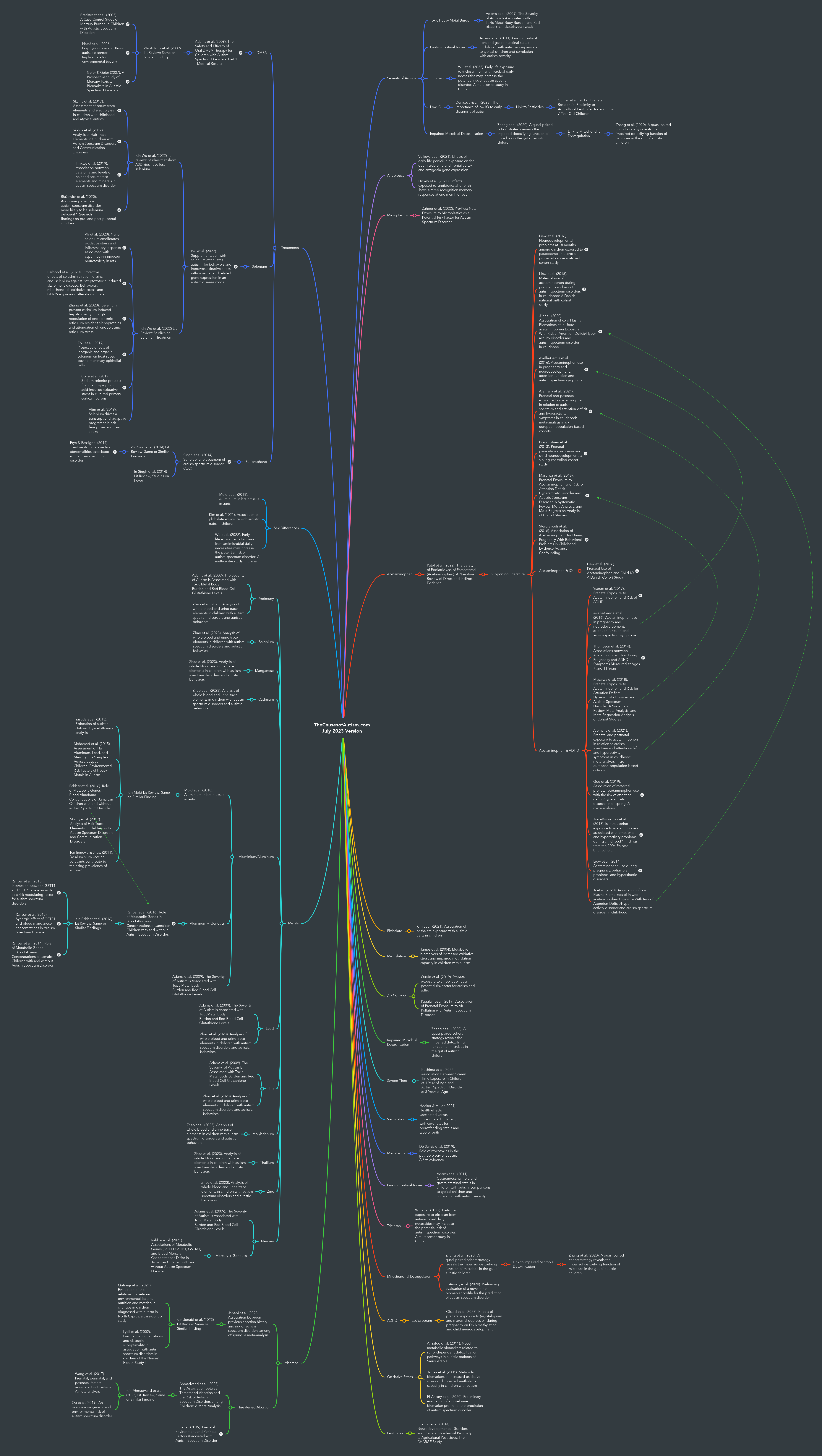
This section of the library shall be dedicated to commentaries on the Hubermanlab podcast. Included below is not a summary of the episode (I’ll leave that for you to check out), but rather my comments on the episode in terms of psychology, health, and human behavior. Whenever possible, I draw connections to autism as well. Most of my comments originally appear on Twitter/X, so be sure to follow on there.
Robert Greene: A Process for Finding & Achieving Your Unique Purpose
Vulnerability: The discussion around vulnerability and empathy is particularly interesting in terms of learning. It seems like one is allowing the person (either through a book, lecture, or other instructional material) to enter one’s mind or heart to influence and change us in positive ways.

Resisting the Thought: On a similar note, I enjoyed the mini-discussion around the desire to do something more strongly when people are told NOT to do it. I’m reminded with amusement of the episodes of “Malcolm in the Middle” where Lois tells her children not to do something, and they defy her even more (the show was full of psychology, in my view).
This gets me thinking a little bit in terms of criminal psychology, regarding the extent to which some people engage in criminal behavior as a result of that defiance. I was never a fan of shows like Criminal Minds. I do consider myself strong-minded enough to watch the show and overcome whatever emotions may arise out of understanding why a person would do something horrendous, but I prefer NOT to try to understand certain horrendous human behavior. I do wonder though if some people are accidentally overcome by the thought of engaging in some horrible act as a result of watching such shows, which they then resist, and the thought becomes even stronger… and well, bad things happen. Perhaps some people don’t have the skill to overcome those impulses? For people whose job it IS to understand exactly why people do these things: do they have special emotional resilience that helps them not internalize the emotional states or beliefs of those they are studying? How many DO succumb and accidentally internalize those emotional states as their own and later engage in similar behaviors?
I know of someone who used to work in drug and alcohol counseling who succumbed to alcohol abuse after 2 months of working as a counselor, after having gone nearly a decade without touching alcohol. They may have been particularly vulnerable given their own past history, but I would speculate on their internalization of some of those feelings of their clients, then the thought to drink alcohol came, perhaps they resisted it, and didn’t overcome it. I empathize with people who do jobs like taking down human trafficking because it definitely takes a lot of strength of mind and heart to do what they do…
Social Media & Witnessing Injustices: I particularly enjoyed the discussion around the negativity in social media and observing injustices happening in society, making people feel like they HAVE to do something about every little thing because they cannot let the injustice pass. Lately, there’s lots of news and speculation about sudden adult deaths, human trafficking with the involvement of the US government, and all other kids of stuff. There are organizations that are interviewing people who have directly witnessed the trafficking of children and have observed children being placed with gang members who are coming into this country…
A lot of wacky stuff going on in the world.
I think it’s definitely been difficult for me personally to have a balance between empathizing with what’s going on in the world and not dissociating from it, versus accepting what’s going on but not internalizing it to the extent that I feel like I have to personally do something about it. It’s almost like drawing the line where you know you don’t shoulder the burden of the injustice you hear about… But then are we succumbing to a type of virtual bystander effect that challenges notions of personal accountability? Is one small action on our part enough to make an impact? And I think that’s the struggle for myself and a lot of people is knowing where to draw the line because there’s so much suffering in the world, and everybody wants to make a difference. Everybody wants to feel like they can exert positive control and positive change in the world, yet the lack of change in the world is causing a lot of stress and anxiety, and in some cases, I would argue, learned helplessness.
What is the balance between wanting to change the world in positive ways to validate those instinctual drives that want to feel that we can change the world, versus not getting involved in every little thing…
So I can definitely say that it’s been one of the challenges for me in my return to social media after so many years, and then just being bombarded by everything. I didn’t use social media all throughout Covid and only recently came back to it this year on this platform. It’s been a lot. So I really appreciate this discussion.
Andrew Tate: Hehe. That little comment was very validating. I happen to make a point to mute accounts that talk about him. I found the form of masculinity he models to be the type of dominating masculinity that doesn’t validate another person’s emotions or feelings. At least, in my opinion, it seemed to be a very narcissistic expression of some attempt at masculinity. Ever an example of deep, rooted insecurities, if I ever saw one. Sorry, Andrew.
Social Media, Nonverbal Cues, and Dating: Well, this section certainly had implications for the autism community insofar as dating for adults on the spectrum. Paying attention to nonverbal social cues is already difficult for many on the spectrum and can make it difficult for dating. Now, adding a second layer of not exercising those muscles that recognize nonverbal cues because of the use of dating apps is certainly concerning, and I wonder if there’s any research on this.
Artificial Intelligence: I am 100% in agreement regarding the continual use of AI resulting in not exercising our brain muscles. And take it from someone who originally started my library with the use of AI but with simultaneously practicing the use of accelerated learning methods. I think that because I’ve been experimenting with accelerated learning, I acutely felt the lack of pleasure while using AI. Now, don’t get me wrong; I might use AI for proofreading or small simple tasks that won’t necessarily rob me of exercising executive functioning abilities. But I share the same concern that societal, continual use of AI could basically lead to a less smarter future.
Worship the Brain:
The following quote by Robert may have just become a new internal mantra:
“Let’s all get down on our hands and knees and worship the brain, and if we did, it would create a complete shift in our values. And we wouldn’t be so instantly seduced and enamored and worshiping the technology. We would worship the brains that create the technology, instead of the other way around.”
Gratitude: I particularly appreciated Robert’s discussion about gratitude near the end of the episode. His comment about people not understanding his own appreciation of something as simple as walking a dog was moving. It reminded me of someone in my life who had told me that they had recently experienced deep feelings of gratitude while they were cleaning their bathroom and were bent down scrubbing the tub of all things. They told me they experienced gratitude for having the healthy limbs just to bend down to do something so menial as cleaning the tub. It reminded me of one conceptualization of Gratitude/Appreciation in the literature as including Downward Social Comparison (I really should go back and catch up in that area and see what’s going on in that literature). Over time, I actually came to view that particular aspect as being condescending toward someone else. In other words, I thought it was condescending to engage in downward social comparison and I tried to avoid it by simply being grateful for what I have….but perhaps to an extent I’ve robbed myself of that pathway to gratitude…see in things in a new light now. I’m reconsidering the view, obviously.
Thanks for the wonderful episode.
 The Causes of Autism